
REMAX Center logo for Château Élan Guide Braselton Georgia
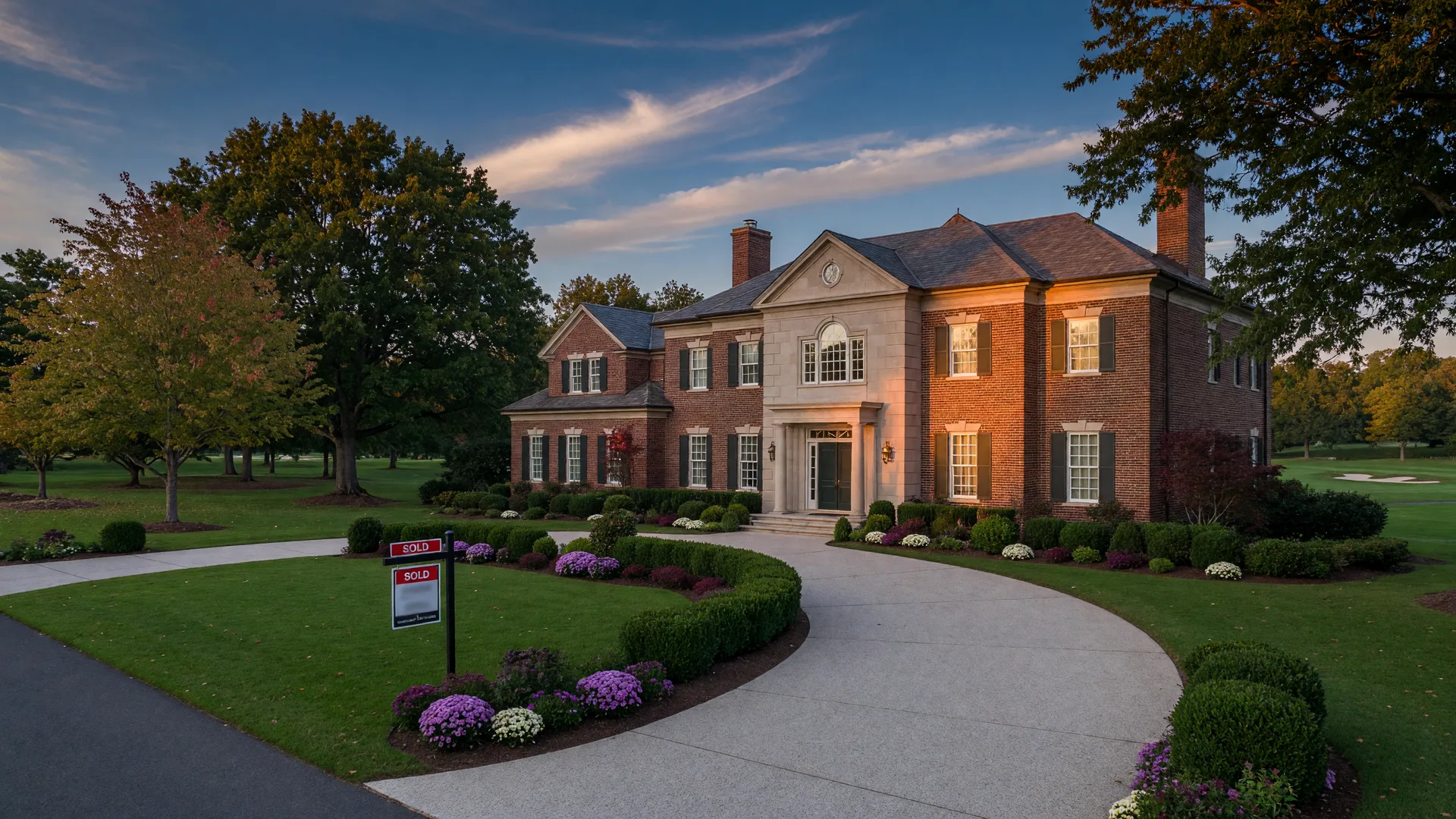
Brick and stone Southern estate in an upscale golf course community with a sold sign in the front yard on a warm late-September afternoon
Mortgages & Financing · · 9 min read

What Is a 2-1 Mortgage Buydown? How Seller-Paid Rate Buydowns Work in 2026

Last Updated: September 22, 2026

A mortgage rate buydown is a financing strategy that lowers your interest rate for a set period of time in exchange for an upfront payment, usually made by the seller or the builder. The most common version, a 2-1 buydown, reduces your rate by 2 percentage points in year one and 1 point in year two, then settles at the full contracted rate in year three.

With 30-year fixed rates hovering near 7% and seller concessions at record highs, buydowns have become one of the most-searched financing strategies of 2026, and they are showing up in luxury communities like Chateau Elan. Whether you are buying, selling, or simply trying to understand the headlines, here is a plain-English look at how they work and whether one makes sense for you.

On September 16, 2026, the Federal Reserve raised its benchmark interest rate by a quarter point to a range of 3.75% to 4.00%, its first rate hike since 2023, in response to persistent inflation driven in part by elevated energy prices. Freddie Mac's weekly survey put the average 30-year fixed mortgage rate at 6.95% the day after the decision, up from 6.26% a year earlier, and several national trackers showed rates above 7% by the third week of September. That combination has buyers asking how to make today's payments work and sellers asking what they can offer beyond a price cut.

I am Lisa Harris, a REMAX Center agent, Chateau Elan resident, and Certified Luxury Home Marketing Specialist with nearly 20 years of experience in Northeast Metro Atlanta. I have negotiated buydowns, priced homes around them, and watched them quietly become the most powerful tool in a buyer's toolbox this fall. Let me walk you through exactly how they work, what they cost, and the questions to ask before you sign anything.

A note on the data.

Rate data in this article comes from Freddie Mac's Primary Mortgage Market Survey (September 17, 2026) and Federal Reserve FOMC announcements (September 16, 2026). Seller concession figures come from Redfin's August 2026 market data, which found concessions in 44.7% of U.S. home sales, the highest August share since at least 2020, with the average concession near $9,000 per FlexMLS data. Actual rates and concession terms available to individual buyers will vary by credit score, down payment, loan type, lender, and negotiation.


Why rate buydowns are the financing story of fall 2026.

The Fed's September decision changed the tone of the housing market overnight. After months of speculation about cuts, the central bank hiked instead, pushing mortgage rates up when many buyers expected them to fall. Freddie Mac's rate of 6.95% was the highest reading in months, and by late September several national averages were already quoting above 7%.

For a buyer financing $600,000, each quarter point of rate is roughly $100 a month. That is why everyone, from first-time buyers to luxury purchasers, is suddenly asking the same question: how do I make the payment work without waiting out the market? And the answer showing up in nearly every negotiation is the seller-paid buydown.

The mechanics are simple in concept. Instead of lowering the price, the seller contributes money to the buyer's loan that buys down the interest rate for the first year or two. The buyer gets a lower monthly payment immediately, the seller gets to protect their list price, and the loan still converts to a market-rate payment once the buydown period ends.

From tee times to closing times, I have watched this exact playbook close more Chateau Elan deals this year than any price concession alone. It works because it solves the buyer's real problem: not the price of the home, but the size of the monthly payment.

How It Works

A 2-1 buydown, year by year.

Imagine a buyer purchasing a $750,000 home in a community like Chateau Elan with 20% down, financing $600,000 at today's 6.95% note rate. A 2-1 buydown works exactly like this, with the seller funding the difference.

Elegant mortgage closing scene with a purchase agreement, pen, and coffee on a walnut desk in warm autumn light

Year 1

4.95% (2 points below note)

Your interest rate drops by two full percentage points. On the example below, the monthly principal and interest payment falls to roughly $3,203, about $769 less than the full payment.

Year 2

5.95% (1 point below note)

The rate steps up by one point but stays below the note rate. The monthly payment rises to approximately $3,578, still about $394 less than the full payment.

Year 3 and beyond

6.95% (full note rate)

The buydown period ends and you pay the full rate for the remainder of the loan, typically 28 more years. This is the payment to plan around long term.

The Math

What the monthly payments look like.

At the full 6.95% note rate, the $600,000 loan carries a principal and interest payment of about $3,972 a month. In year one, with the rate discounted to 4.95%, the payment drops to roughly $3,203, saving about $769 a month, or close to $9,200 over the first 12 months. In year two, at 5.95%, the payment is about $3,578, saving roughly $394 a month, about $4,700 more. Combined, the buydown replaces close to $14,000 in payments over the first two years. These estimates exclude taxes, insurance, and HOA dues, which in Chateau Elan vary by section.

What a buydown actually costs, and who pays for it.

A buydown is not free money. The cost tracks the interest subsidy: the money the lender gives up while the rate is discounted. In the example above, the seller would be contributing roughly $14,000, which is about 2% of the loan amount, and in practice the figure lands wherever your lender's calculation puts it. Lenders deposit the contribution into a buydown account that supplements your payment each month during years one and two. If you sell or refinance before the period ends, the unused balance typically credits back to the borrower.

There is an important distinction between a temporary buydown and buying points. A 2-1 or 3-2-1 buydown lowers the rate for a fixed early window only. Buying discount points lowers the rate for the entire life of the loan in exchange for a larger upfront payment. Sellers and builders are far more willing to fund a temporary buydown, because it costs less and it directly targets the affordability problem buyers feel today. A 3-2-1 buydown, which drops the rate by 3, 2, and then 1 point in the first three years, is the same idea stretched over a longer runway.

The other question buyers ask is whether the concession comes with conditions. Loan programs set limits on how much a seller can contribute toward a buyer's costs, and the buydown must be written into the purchase contract. Your lender and your agent will confirm the numbers together, and every buyer should understand that the seller is rarely lowering the price at the same time. The buydown is how the deal gets made without either side giving up a fortune.

Seller concessions are at a record high right now.

This is not a niche strategy. Redfin found that 44.7% of U.S. home sales in August 2026 included seller concessions, the highest August share on record and up sharply from prior years. The average concession has hovered near $9,000, and the share is highest in Sun Belt markets including Atlanta. Consumers are searching for buydown explanations in record numbers, because the strategy has moved from the exception to the expected.

The backdrop helps explain why. National inventory reached 4.9 months of supply in recent reporting, the highest level in over a decade, and new listings have picked up steadily through the summer and early fall. More homes on the market means more motivated sellers, and motivated sellers offer concessions. Locally, metro Atlanta has shifted decisively toward a buyer's market, and well-priced Chateau Elan homes that sit even a few weeks are increasingly meeting buyers halfway with closing cost help or a buydown.

What this means for Chateau Elan buyers and sellers.

Chateau Elan is not the typical suburban market. It is a 3,500-acre master-planned golf course community with a resort, winery, spa, and 45 holes of championship golf at its center, and its gated sections from the Legends and Woodlands to Covered Bridge and the Village each have their own price range and buyer profile. Luxury buyers behave differently than the national average: they often bring larger down payments and care as much about the payment structure as the sticker price.

What I am seeing on the ground is a meeting of the minds. Sellers who listed in the spring are adjusting expectations, and buyers who have waited through the rate climb are ready to move. A seller who contributes to a 2-1 buydown keeps their list price intact and gets a qualified buyer to closing. A buyer who asks for the buydown instead of a larger price cut gets meaningful payment relief during the years when rates are highest, often with the option to refinance later.

Life's too short for ordinary homes, and it is also too short to let a stubborn monthly payment put the right home out of reach. In Chateau Elan right now, the homes that sell are the ones priced honestly and negotiated creatively, and the buydown has become the creative tool that makes luxury deals work in a 7% world.

Before You Negotiate

Should you ask for a seller-paid buydown?

It is the right tool in many situations, but not every situation. Walk through these four questions with your agent and lender before you present an offer.

How long do you plan to stay?

A temporary buydown pays its biggest dividends in the first 24 months. If you expect to move or refinance within two or three years, the benefit is often strongest. If you plan to stay 10 years or more, the long-term rate matters more than the short-term discount.

Do you expect to refinance soon?

Many buyers take a seller-paid buydown now and plan to refinance when rates ease. If that is your strategy, you get the payment relief while you wait, and the buydown account simply ends when you refinance. Just remember that refinancing is never guaranteed on a set timeline.

How does it compare with a price cut?

Ask your agent to model both. A $15,000 price reduction lowers your loan size and your payment permanently, while a $15,000 buydown lowers the payment sharply for two years only. Depending on your plans, either can be the better ask. A good listing agent can show you both scenarios side by side.

What does your lender allow?

Loan programs cap how much a seller can contribute, and buydown terms vary by lender. Your lender will tell you exactly how a buydown is structured on your loan type, including whether a 2-1, 3-2-1, or permanent point purchase fits your situation best.

Common Questions

Mortgage rate buydowns, answered.

What is a 2-1 mortgage buydown?

A 2-1 mortgage buydown lowers your interest rate by 2 percentage points in year one and 1 point in year two, then returns to the full contracted rate in year three. The seller or builder typically funds the cost upfront, which makes it one of the most popular seller concessions in today's higher-rate market.

Who pays for a mortgage rate buydown?

Either the buyer or the seller can pay, but in today's market seller-paid buydowns are common. The concession is negotiated as part of the purchase contract, and the funds are deposited into a buydown account that makes up the difference between the reduced payment and the full payment during the buydown period.

How much does a 2-1 buydown cost?

The cost closely tracks the interest subsidy: the money the lender forgoes while the rate is discounted. On a $600,000 loan at 6.95%, a 2-1 buydown replaces roughly $14,000 of payments over the first two years, so the seller's contribution typically lands near that figure. Your lender calculates the exact amount.

Is a buydown better than a price reduction?

It depends on your timeline. A price reduction lowers your loan amount and your payment for the life of the loan. A buydown lowers your payment sharply for the first two years only. Buyers who plan to refinance quickly or move soon often prefer the buydown; long-term owners may prefer the lower purchase price. Model both with your agent before you negotiate.

Ready to put a buydown to work for you?

Whether you are buying, selling, or just curious how today's rates affect your plans, I can model the scenarios with you and your lender. As a Chateau Elan resident and luxury specialist, I know how these deals get done in this community.

Information believed to be accurate but not guaranteed.

Lisa Harris, REMAX Center luxury real estate agent serving Chateau Elan and Northeast Metro Atlanta
Written by

Lisa Harris

Real Estate Agent, REMAX Center | CLHMS, MBA | Chateau Elan Resident, 19 Years Experience

Whether you are looking to buy, sell, or simply learn more about life in Chateau Elan, I bring analytical precision, luxury market expertise, and a genuine love for this community to every conversation. Call or text me at 404-307-9898 or email LHarris@remax.net.