
Home warranties are suddenly the topic of the moment in real estate, and for good reason. With homeowners insurance premiums rising across Georgia and the country, and with mortgage rates near multi-year highs squeezing monthly budgets, more buyers and sellers are asking the same question: should I add a home warranty on top of my homeowners insurance? The short answer is that they are not the same thing at all. Homeowners insurance protects against sudden, accidental damage like fires, storms, and theft, while a home warranty is a service contract that pays to repair or replace major systems and appliances that fail from normal wear and tear. Many luxury homeowners in Chateau Elan find value in both, but the decision is more nuanced than it looks. Here is what you need to know in 2026.
What a Home Warranty Actually Covers
A home warranty is an annual service contract, not insurance. You pay a monthly or annual premium, and when a covered system breaks down from age or normal use, you contact the warranty company, pay a service fee, and a licensed contractor comes out to diagnose and repair it. If it cannot be repaired, the company pays toward a replacement, up to the coverage limit in your contract.
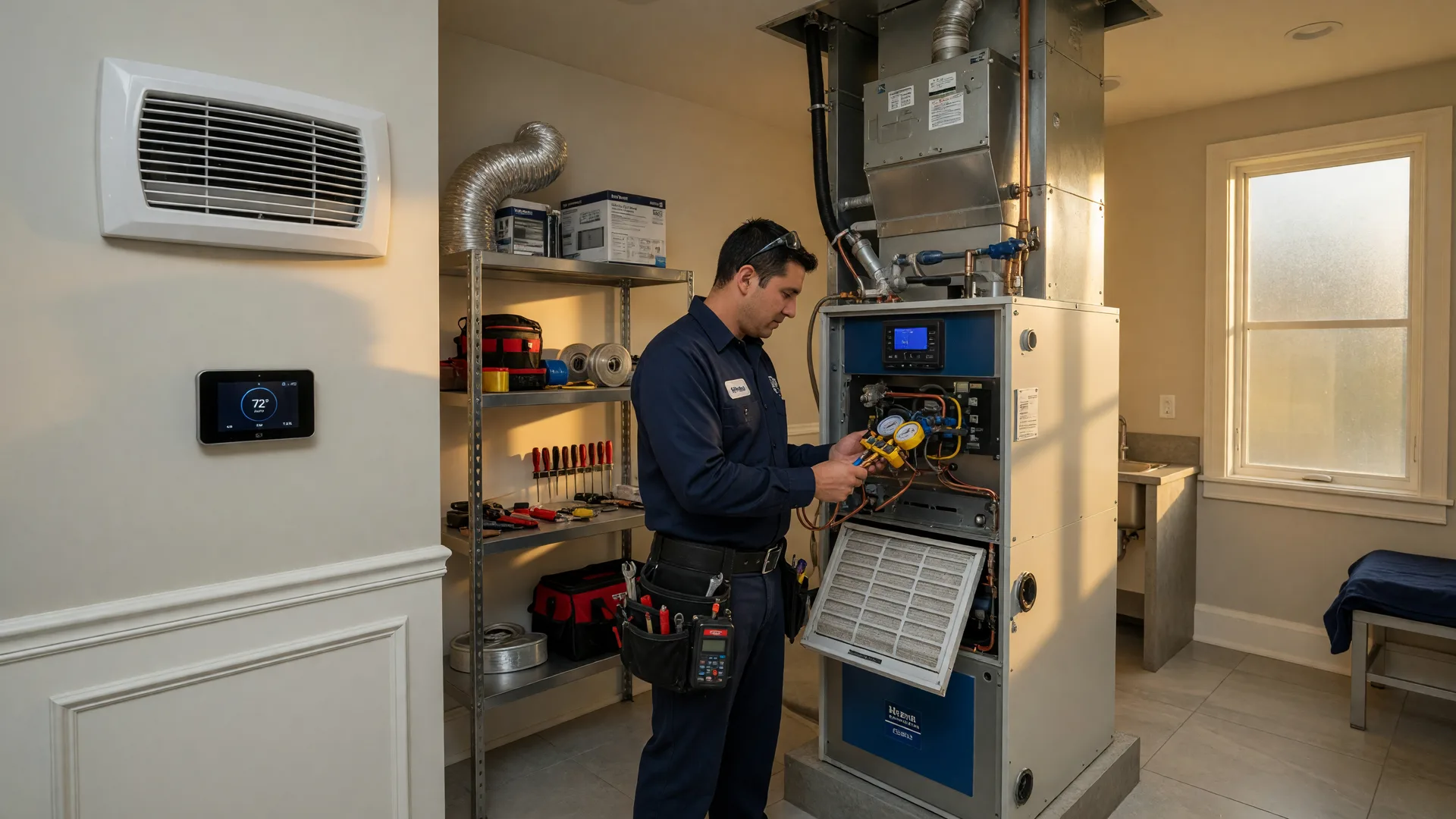
Standard plans generally cover the big-ticket systems and appliances: heating and cooling (furnace, air conditioning, heat pump, ductwork), plumbing (pipes, water heater, garbage disposal, fixtures), electrical (wiring, outlets, breaker panel), and major appliances (refrigerator, oven, range, cooktop, dishwasher, washer and dryer). In a community like Chateau Elan, where homes are often larger and more feature-rich, the systems that matter most, HVAC, water heaters, and kitchen appliances, are exactly what the base plans target.

What Homeowners Insurance Covers
Homeowners insurance is required by your lender and protects your financial interest in the property. It covers the structure itself against named perils, typically fire, lightning, wind, hail, theft, and vandalism, plus your personal belongings and your liability if someone is injured on your property. If a tree falls through your roof or a kitchen fire damages the walls, your insurance policy pays to repair the damage, minus your deductible.
Here is the key distinction: homeowners insurance does not cover normal wear and tear. When a ten-year-old HVAC system quietly gives out because it is old, not because a storm damaged it, your insurance carrier will decline the claim. That is the gap a home warranty is designed to fill, and it is why the two products are complementary rather than interchangeable.
How Much Does a Home Warranty Cost in 2026?
Forbes Advisor pegs the average home warranty premium around $59 a month, NerdWallet around $73, with annual plans ranging from roughly $350 to $900 depending on the provider, plan tier, home size, and location. Every claim visit carries a separate service or trade call fee, typically $75 to $125, and NerdWallet's average service fee runs about $108. You pay that fee each time a contractor comes out, whether or not the repair ends up covered.
The coverage limits matter more than the premium. Most plans cap payouts per item, commonly $1,500 to $5,000 per system or appliance, with HVAC coverage often capped around $1,500 to $3,000. A new high-end HVAC system can cost $5,000 to $12,000, so a home warranty is a budgeted repair tool, not a full replacement policy. It smooths the cost of repairs across the year rather than guaranteeing a brand-new system for free.
When a Home Warranty Is Worth It
Consumer guidance is remarkably consistent on when a warranty earns its keep: older homes, homes with systems more than about ten years old, first-time buyers, and buyers who do not have a comfortable emergency fund set aside for repairs. Opendoor's analysis puts the threshold around $3,000 in dedicated repair savings, below which a warranty makes sense, and notes warranties are least valuable on new construction still under the builder's warranty.
The math is straightforward. One major HVAC failure can easily run $4,000 to $8,000 in a large home, and a single claim can be worth more than several years of premiums. The deciding factor is predictability: older systems fail more often, so the warranty is more likely to pay for itself. If your systems are young and your builder warranty is still active, the value is much thinner.
The Luxury Home Angle: High-End Appliances and Coverage Caps
This is where Chateau Elan homeowners need to read the fine print. Luxury kitchens are full of appliances whose repair costs run far above average. A Sub-Zero compressor repair can cost around $1,400, versus roughly $750 for a mainstream brand, and standard plans cap appliance payouts near $2,000 and systems near $3,000 to $4,000. A high-end wall oven or built-in refrigerator can cost $4,000 to $8,000 to replace, which exceeds the cap on many plans.
That does not mean a warranty is useless in a luxury home. It means plan selection matters. Some providers offer higher coverage limits, and a few offer plans designed for luxury appliances with limits up to $7,000. If you own or are buying a home with high-end kitchen equipment, a pool, a spa, a septic system, or a well, confirm whether those are included or require paid add-ons before you sign. In Chateau Elan, pools and spa features are common, and they are typically excluded from base plans.
For Sellers, a Home Warranty Is a Negotiating Tool
Sellers should think of a home warranty as a line item in the marketing plan, not just a gift to the buyer. National Association of REALTORS data from recent years shows a home warranty has been among the most common seller incentives, with about 17% of sellers offering one in 2020 and roughly 8% in the stronger 2024 market. Industry survey data cited by American Home Shield and Houzeo links seller-paid warranties with roughly 16% less time on market and a modestly higher sale price, around 0.9%.
More importantly, a seller-paid warranty smooths the transaction. When the buyer's inspection surfaces a covered issue, the warranty can pay for the repair instead of reopening negotiations. It transfers to the buyer at closing, giving the new owner a year of protection, and it gives sellers a shield against post-closing disputes. In a 2026 market where buyers have leverage and sellers compete on terms, a home warranty is a low-cost concession that can tip a multiple-offer situation or a hard negotiation.
How to Decide: Your 2026 Checklist
The Bottom Line
Homeowners insurance is non-negotiable protection against sudden disaster, and a home warranty is an optional budget tool for the wear-and-tear failures insurance never covers. In 2026, with insurance premiums up for 71% of U.S. homeowners and Georgia premiums projected roughly 10% higher by year-end, homeowners are right to look for ways to contain surprise costs. For many Chateau Elan buyers and sellers, a well-chosen home warranty is one of them, especially on homes with systems over a decade old or high-end appliances worth protecting.
Life is too short for ordinary homes, but even extraordinary homes have ordinary repairs. The right protection is the one that matches your systems, your appliances, and your comfort with risk. If you are buying or selling in Chateau Elan and want to know what the condition of a home's systems means for your offer or your list price, I would love to walk you through it.