
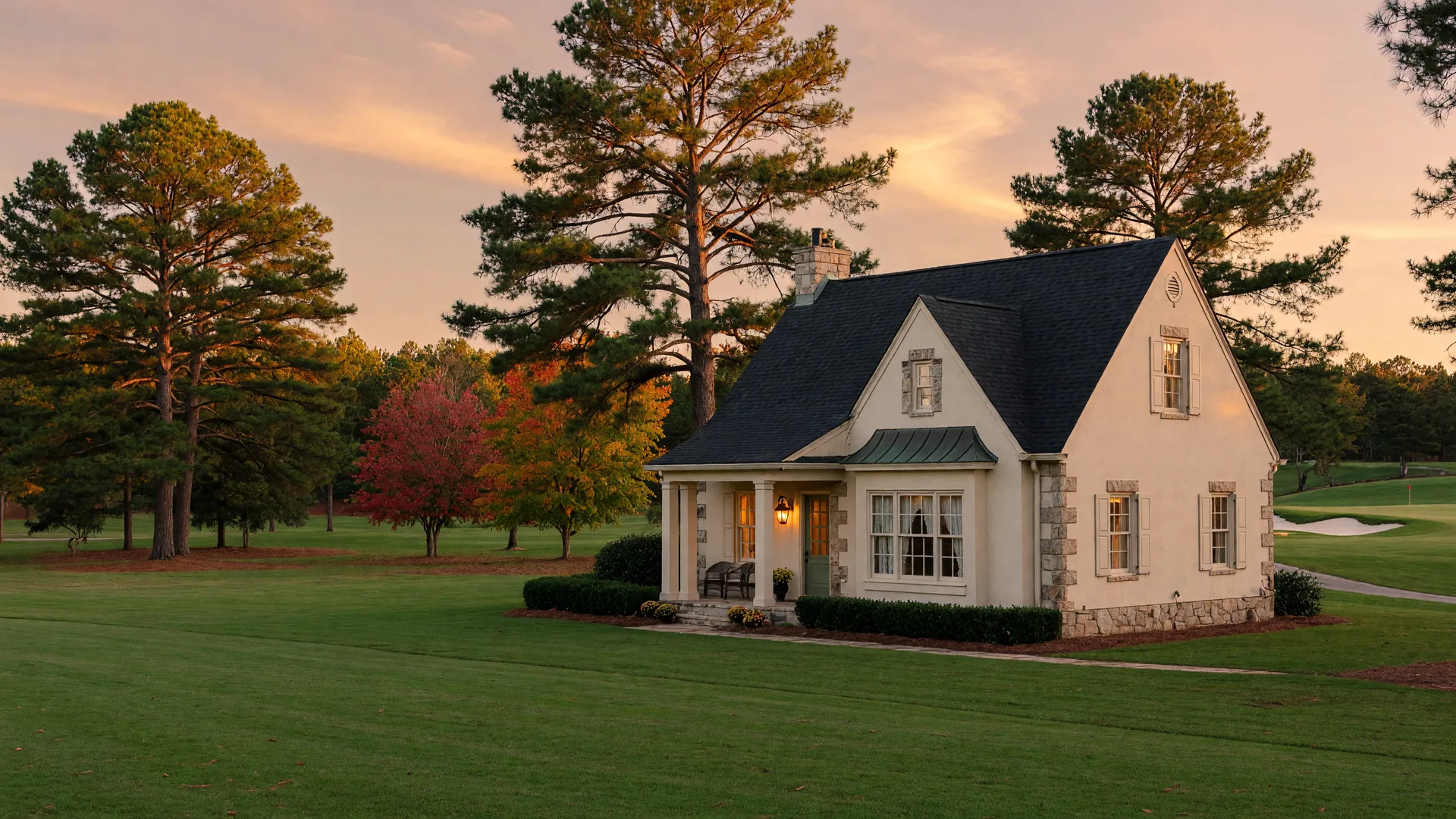
Accessory dwelling units, the backyard casitas, carriage houses, and "granny pods" that give a home a second, self-contained living space, are the hottest home trend of 2026. Consumer searches for ADUs are climbing faster than almost any other real estate topic, and Georgia homeowners are asking what they can build, what it costs, and whether it pays off. Here is what the trend means for Chateau Elan buyers and sellers, and the Georgia rules you need to know before you break ground.
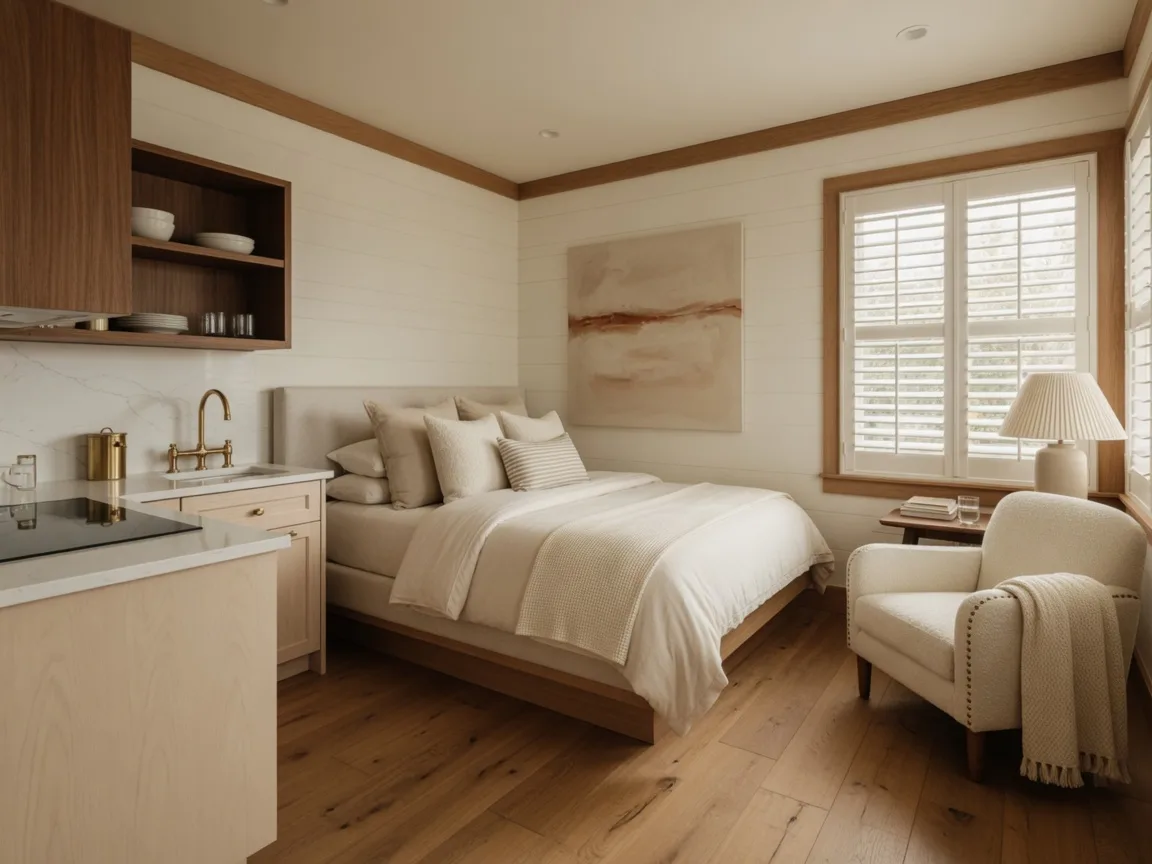
Why Everyone Is Searching for ADUs Right Now
The trend data is hard to miss. In October 2026, accessory dwelling units and "granny pods," the multifunctional backyard units built for multigenerational living and rental income, top the industry's list of fastest-rising real estate searches, and searches for compact secondary homes are up hundreds of percent year over year. This is not a niche interest anymore. It is the way a growing share of American families are solving three problems at once: housing an aging parent or an adult child, earning rental income, and getting more from the land they already own.
The demographic engine behind it is multigenerational living. Roughly 59.7 million Americans, about 18% of the population, now share a home across generations, and that number has been climbing steadily. Add a mortgage market where rates have hovered near 7% and first-time buyers at their lowest market share since 1981, and the math points the same direction: instead of moving, more homeowners are making their existing property work harder. A well-built ADU can do exactly that, and the National Association of REALTORS reports that homes with an accessory dwelling unit sell about 35% higher on average than comparable homes without one.
What Exactly Is an Accessory Dwelling Unit?
An accessory dwelling unit is a secondary, self-contained dwelling on the same lot as a primary home, with its own entrance, kitchen, and bath. You will hear them called many names: casitas, granny flats, granny pods, carriage houses, garage apartments, and in-law suites. They can be attached to the main house, built above a detached garage, or stand alone in the backyard, and they typically range from about 400 to 1,200 square feet.
In a community like Chateau Elan, you already see the pattern in the area's most sought-after homes: the pool house with a full bath and kitchenette, the carriage suite over the garage, the guest villa tucked beside the fairway. The difference between a guest bedroom and a true ADU is self-containment. A real ADU lets someone live independently, cook, sleep, and entertain without walking through the main house, which is exactly what makes it valuable to a buyer, a renter, or a family member.
The Georgia Rulebook: What Is Legal Where You Live?
Here is the most important fact for Georgia homeowners: there is no statewide ADU law. Whether you can build an accessory dwelling unit is decided by your city or county zoning ordinance, not by Atlanta. That means the rules can change from one side of a county line to the other, and Chateau Elan, which spans Barrow, Gwinnett, Hall, and Jackson counties, sits right at that intersection.
Georgia lawmakers took a run at a statewide rule in 2026. House Bill 1166 would have overridden local zoning to allow self-contained ADUs of 400 square feet or less on residential homestead property. It passed the House 111 to 50 on Crossover Day, March 6, 2026, but the Senate substituted different language and the bill died without a floor vote when the session ended April 2, 2026. The result: local zoning still rules, and it is worth watching whether the bill returns next session.
What the state does control is construction. Georgia adopted the 2024 International Residential Code with Georgia Amendments, effective January 1, 2026 and mandatory for all construction under O.C.G.A. section 8-2-25, and every ADU requires a building permit. Typical local caps land between 800 and 1,200 square feet, an ADU generally may not be larger than the primary dwelling, and owner-occupancy requirements, whether the homeowner must live on the property, vary by jurisdiction.
What the Rules Look Like Around Chateau Elan
The practical picture varies across the communities I serve, so here is the short version, always subject to a call to the local planning department:
Braselton. The town development code defines both an "accessory dwelling" and "guest quarters," and Article IX regulates accessory buildings, including a rule that no accessory structure is permitted in the front yard of a residential lot. The town amended its definitions in 2024, so confirm the current language with Braselton Planning and Development before you plan.
Hoschton. The city zoning ordinance includes separate sections for accessory apartments and guest houses, and accessory apartments have required a conditional use permit, as in the commission-approved case of August 2025.
Gwinnett County. ADUs are a conditional use in several residential districts, limited to 50% of the principal dwelling's heated floor area, with accessory buildings required in the rear yard and not allowed before the main home is built.
Barrow, Hall, and Jackson counties. Barrow allows customary accessory uses with one principal house per lot, while Hall and Jackson set their own rules county by county, so verify directly with each planning department.
And in a gated, master-planned community like Chateau Elan, there is one more layer: the HOA. Beyond county zoning, any new structure must pass community architectural review and sit within the covenants that keep the neighborhood looking the way it does. Check both layers before you spend a dollar on plans.
How Much Does an ADU Cost, and What Does It Add to Your Home's Value?
The honest answer is that a permitted ADU is a serious investment. The national average lands around $180,000, with most homeowners spending $60,000 to $285,000, roughly $150 to $300 per square foot depending on finishes, site work, and whether you are converting a garage or building from scratch. A simple garage conversion with a kitchenette runs toward the low end; a detached luxury guest suite with full utilities and high-end finishes runs toward the top.
On the value side, the numbers are compelling. NAR reports that homes with accessory dwelling units sell about 35% higher on average than comparable homes without one, and most industry analyses cite a typical 15% to 35% increase. Rental income adds to the case: permitted ADUs commonly rent for $1,200 to $4,000 per month nationally, which can offset the build cost over time.
One caution worth repeating: appraisals vary. Some appraisers assign real value to a permitted ADU and some assign little, so the actual number depends on your market, the quality of the build, and how your lender treats the unit. Before you commit, talk to a local appraiser and to a REALTOR who knows what buyers in your community actually pay for.
Buy or Build: What Chateau Elan Buyers Are Asking For
In the luxury tier, the ADU conversation looks different than it does in a starter neighborhood, and it is happening all the time. As a Seniors Real Estate Specialist, I work with families planning for an aging parent or an adult child coming home, and the guest suite is often the deciding feature. As a luxury specialist, I see buyers search specifically for "guest house," "casita," and "in-law suite" in the listings, because the resort lifestyle at Chateau Elan means hosting: golf weekends, wine tastings, and long visits from family and friends.
A well-designed accessory dwelling answers that lifestyle beautifully. It can be a private retreat for guests, a caregiver's suite, a home office with a door, an income-producing rental, or simply the most useful square footage on the property. Life's too short for ordinary homes, and the homes that command attention in this market are the ones with a second living space that feels intentional, permitted, and beautifully finished.
For sellers, that is the marketing story: a permitted ADU is a feature with receipts, and it separates your home from the one next door. For buyers, it is a question to ask early, because adding an ADU after closing means navigating zoning, HOA approval, and construction, all at once.
Your ADU Checklist
Frequently Asked Questions
Can I build an ADU in Georgia?
There is no statewide ADU law in Georgia, so whether you can build depends entirely on your city or county zoning ordinance. Inside Braselton, the town development code defines accessory dwellings and guest quarters, while Gwinnett County treats ADUs as a conditional use in certain residential districts and Barrow County generally allows customary accessory uses with one principal house per lot. Always confirm the current rules with your local planning department before you design anything.
How much does an ADU add to a home's value?
The National Association of REALTORS reports that homes with accessory dwelling units sell about 35% higher on average than comparable homes without one, and most industry sources cite a typical value increase of 15% to 35%. The actual number depends on your market, the quality of the build, and how your appraiser treats the unit, so it pays to talk to a local appraiser before you commit.
Do I need a permit to build an ADU in Georgia?
Yes. Every accessory dwelling unit in Georgia requires a building permit, and construction must follow the 2024 International Residential Code with Georgia Amendments, which took effect January 1, 2026 and is mandatory under O.C.G.A. section 8-2-25. Your contractor and local building department will guide you through the permit, inspection, and certificate-of-occupancy process.
Can I rent out an ADU for income?
In many Georgia jurisdictions, yes, though rules vary. ADU rents commonly run $1,200 to $4,000 per month nationally, which is why rental income is a top reason homeowners build. Some cities require the homeowner to occupy the property, and in a gated community like Chateau Elan you will also need to check HOA covenants and architectural review rules before renting. Verify both layers before you build.
The Bottom Line
Accessory dwelling units are the hottest home trend of 2026 for a very practical reason: they give homeowners more flexibility, more income potential, and more room for the people they love, all on land they already own. In Georgia, the opportunity is real and the rules are local, so the winning move is to research your jurisdiction, check your HOA, and build with permits and quality finishes that will hold their value.
Whether you are buying a home with a guest suite already in place or planning to add one before you sell, the right strategy starts with local expertise. From tee times to closing times, I help homeowners in Chateau Elan and across Northeast Metro Atlanta make decisions that protect both their lifestyle and their investment. Call me at 404-307-9898 or email LHarris@remax.net for a market-specific conversation about your property.